Your home’s walls hide a silent network of wires, switches, and circuits that power everything you rely on daily. Most homeowners never think about it until a light flickers, a breaker trips, or worse, something starts smelling like burnt plastic. Understanding residential electrical wiring is not just for electricians anymore. It is essential knowledge that can save you money, prevent fire hazards, and help you make smarter decisions about your property.
What Is Residential Electrical Wiring?
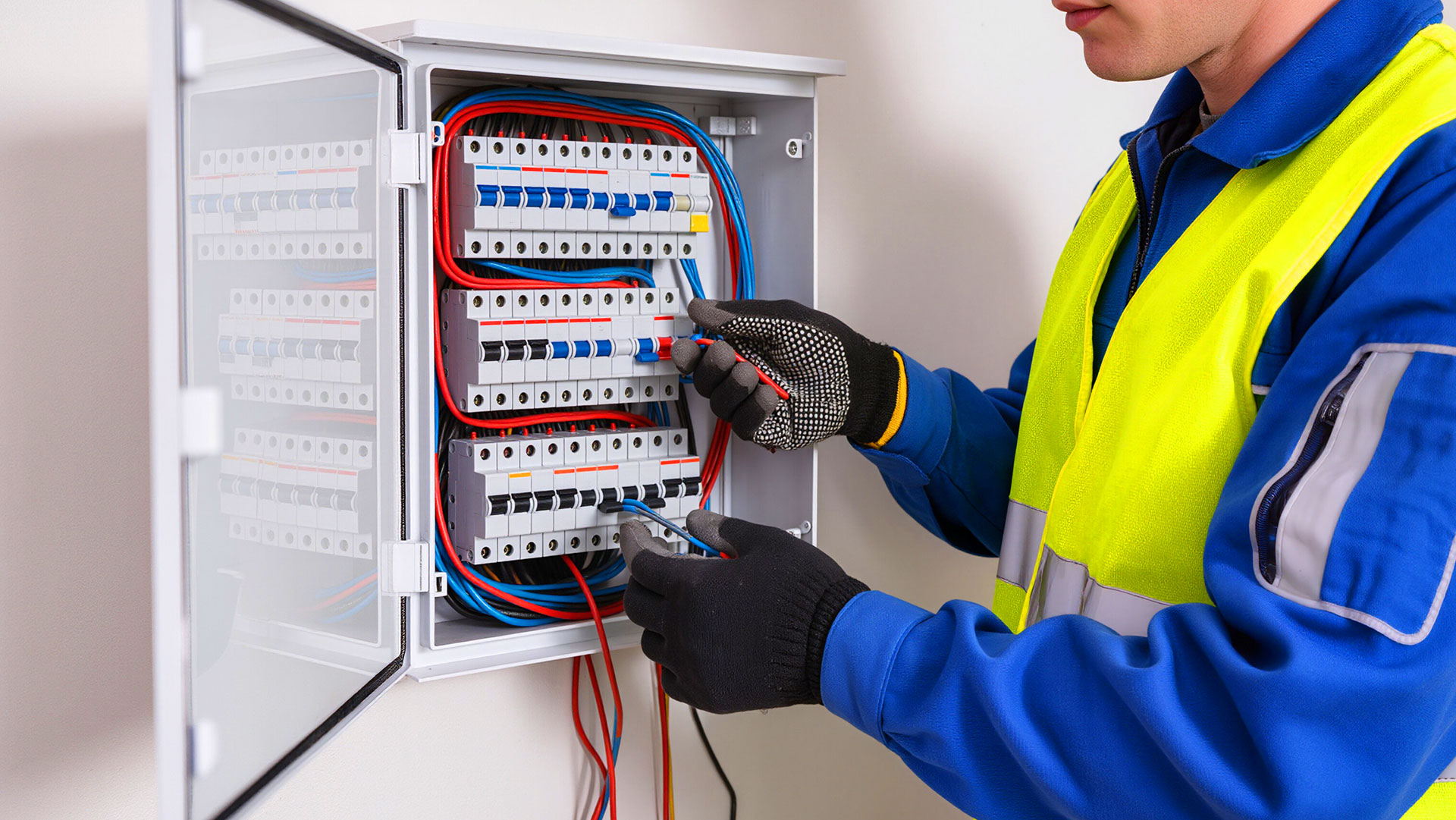
Residential electrical wiring is the system of cables, circuits, panels, and outlets that safely deliver electricity throughout a home. It typically includes copper or aluminum wiring, a main service panel, circuit breakers, and grounding systems that protect appliances and people from electrical shocks, overloads, and fires.
Why Residential Electrical Wiring Matters More Than You Think
Wiring is often called the “nervous system” of a house, and for good reason. Every appliance, light fixture, and smart device depends on a properly functioning electrical network. When that network is outdated or damaged, the risks go far beyond inconvenience.
Faulty wiring is one of the leading causes of residential fires. It can also cause:
- Frequent breaker trips or blown fuses
- Dimming or flickering lights
- Overheating outlets or switch plates
- Shocks when touching appliances
- Reduced efficiency of electronics and HVAC systems
Common Types of Residential Wiring Systems
Not all homes are wired the same way, especially if they were built decades apart. Knowing what type of system runs through your walls helps you understand your home’s safety level and upgrade needs.
Knob and Tube Wiring
Found in older homes, this outdated system lacks grounding and insulation standards used today. It is generally considered a safety liability and is often flagged during home inspections.
Non-Metallic (NM) Sheathed Cable
Commonly known as Romex, this is the standard wiring type used in most modern homes. It includes insulated conductors bundled together with a protective outer sheath.
Armored Cable (AC) Wiring
This type uses a flexible metal covering for added protection against physical damage, often used in areas requiring extra durability.
Signs Your Home’s Wiring Needs Attention
Electrical systems degrade over time, even when everything looks fine on the surface. Insulation cracks, connections loosen, and components wear down with age and usage.
If you’re noticing warm outlets, discolored switch plates, or a persistent buzzing sound near your panel, it’s worth taking a closer look. Learning how to identify signs of electrical wear and tear at home can help you catch small problems before they escalate into costly, dangerous repairs.
How Residential Wiring Is Installed
Whether you’re building a new home or renovating an old one, wiring installation follows a structured process to ensure safety and code compliance.
- Planning the layout: Electricians map out circuits based on room usage and appliance load.
- Running the wires: Cables are routed through walls, floors, and ceilings using protective channels.
- Installing the panel: The main service panel is connected to distribute power safely across circuits.
- Adding outlets and switches: Each fixture is wired and tested individually.
- Final inspection: A licensed inspector verifies the system meets local electrical codes.
Upgrading Old Wiring: When Is It Necessary?
Homes built before certain electrical code updates often carry outdated systems that can’t handle today’s power demands. Modern households run multiple high-draw appliances simultaneously, something older wiring was never designed to support.
Consider an upgrade if your home shows these red flags:
- The electrical panel is over 25 years old
- You still have two-prong outlets throughout the house
- Breakers trip frequently during normal use
- You’re planning a major renovation or addition
Frequently Asked Questions
How long does residential electrical wiring typically last?
Most wiring systems last between 50 to 70 years, depending on the material, installation quality, and how well the home has been maintained over time.
Can I rewire a single room instead of the entire house?
Yes. Partial rewiring is common during kitchen or bathroom remodels, though a licensed electrician should assess whether the rest of the system can safely integrate with new wiring.
What’s the difference between a circuit breaker and a fuse box?
A circuit breaker can be reset after tripping, while a fuse must be physically replaced once it burns out. Most modern homes use breaker panels for convenience and safety.
Is it normal for outlets to feel warm?
No. Warm or hot outlets often indicate loose connections, overloaded circuits, or wiring damage, and should be inspected promptly.
Do smart home devices require special wiring?
Some smart switches and thermostats need a neutral wire that older homes may lack, making a professional evaluation important before installation.
Final Thoughts
Residential electrical wiring isn’t something to think about only when problems arise. It’s the foundation of a safe, functional, and future-ready home. From understanding wiring types to recognizing warning signs, staying informed empowers you to protect your property and everyone living in it.
Whether you’re dealing with an aging system or simply want peace of mind, staying proactive about your home’s electrical health is always a smart investment.