Your home’s electrical panel is the silent workhorse behind everything from your morning coffee to your late-night streaming binge. But when lights flicker, breakers trip constantly, or you’re itching to add a hot tub or EV charger, that little metal box becomes the center of attention fast. An electrical panel upgrade isn’t just a technical fix, it’s the foundation for a safer, smarter, more capable home.
What Is an Electrical Panel Upgrade?
An electrical panel upgrade replaces your home’s outdated breaker box with a modern, higher-capacity panel that safely distributes more power. It increases amperage capacity (often to 200 amps), supports new appliances, reduces fire risks, and ensures your wiring meets current electrical safety codes.
Think of your panel as the traffic cop of your home’s entire electrical system. It takes incoming power and directs it safely to every outlet, switch, and appliance. When that traffic cop is outdated or overwhelmed, problems don’t just happen, they multiply.
Signs Your Home Needs a Panel Upgrade
Most homeowners don’t think about their panel until something goes wrong. Here are the warning signs that shouldn’t be ignored:
- Frequent breaker trips, especially when running multiple appliances at once
- Flickering or dimming lights when larger appliances kick on
- Warm or discolored outlets and switch plates
- A burning smell near the panel or outlets
- Panels rated below 100 amps, common in older homes
- Fuse boxes instead of modern circuit breakers
If any of this sounds familiar, your panel may be struggling to keep pace with your home’s actual power demands.
Why Older Homes Are Especially at Risk
Homes built decades ago were wired for a very different lifestyle, think a few lamps, a radio, and maybe a window AC unit. Today’s households run smart TVs, multiple laptops, EV chargers, and energy-hungry kitchen appliances simultaneously. The wiring behind your walls plays just as big a role as the panel itself, which is why understanding what’s actually happening inside your home’s electrical wiring is essential before any upgrade decision is made.
Benefits of Upgrading Your Electrical Panel
A panel upgrade delivers more than peace of mind. It actively improves how your home functions day to day.
- Increased safety through reduced fire and shock hazards
- Higher capacity to support modern appliances and EV charging
- Improved reliability with fewer nuisance trips
- Code compliance for insurance and resale purposes
- Room for future expansion, including solar panels or home additions
grade Process: What to Expect
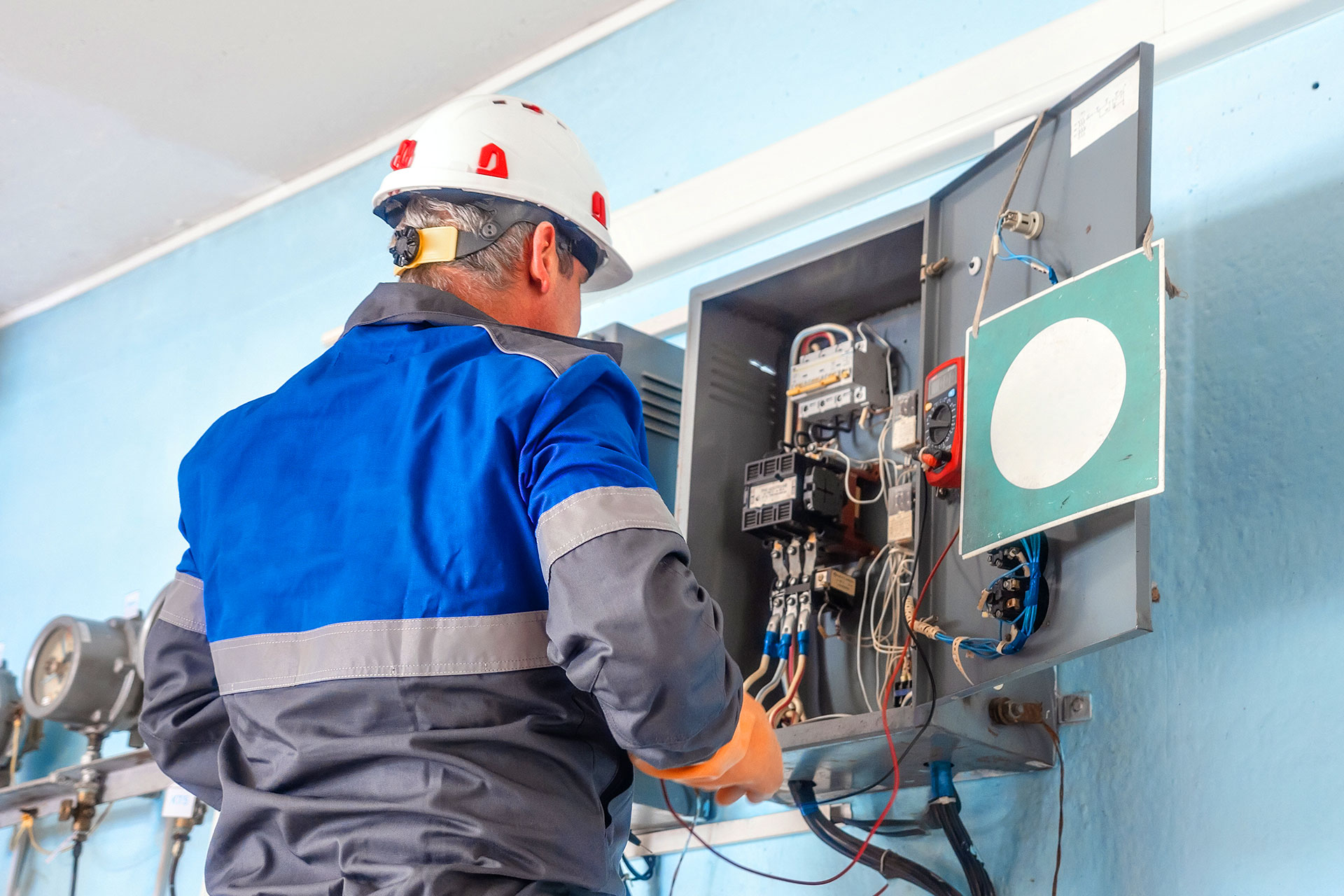
Upgrading an electrical panel is a job for licensed professionals, not a weekend DIY project. Here’s a general overview of how it unfolds:
- Inspection and assessment of your current panel and wiring
- Permit acquisition from your local building authority
- Power shutoff to safely disconnect the old panel
- Installation of the new panel and breakers
- Testing and inspection to confirm everything meets code
Most upgrades are completed within a single day, though timelines can vary depending on the complexity of your home’s wiring system.
Is It Time to Upgrade Your Panel?
If your home is showing warning signs, or you’re planning renovations that demand more power, waiting isn’t the safer option. An outdated panel doesn’t just limit convenience, it poses genuine risks to your home and family. Scheduling a professional evaluation is the smartest first step toward a safer, more capable electrical system.
Frequently Asked Questions
How long does an electrical panel upgrade take?
Most upgrades are completed in 4 to 8 hours, though older homes with complicated wiring may require additional time.
Will I lose power during the upgrade?
Yes, power is temporarily shut off during installation, typically for a few hours while the new panel is connected and tested.
Can I upgrade my panel myself?
No. Panel upgrades involve high-voltage work and must be performed by a licensed electrician to ensure safety and code compliance.
Do I need a permit for a panel upgrade?
Almost always, yes. Most municipalities require permits and inspections to confirm the work meets current electrical codes.
How often should electrical panels be replaced?
There’s no strict timeline, but panels older than 25 to 40 years, or those showing signs of wear, should be evaluated by a professional.
Conclusion
Your electrical panel is one of the most important, and often overlooked, components of your home. Recognizing the warning signs early, understanding your home’s power needs, and working with a qualified electrician can transform an outdated system into one that’s safe, reliable, and ready for whatever the future brings.